
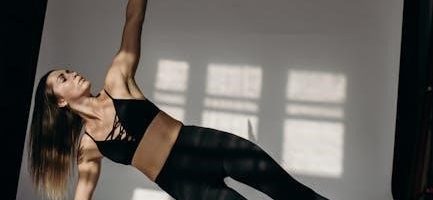
Pilates, a low-impact system, builds core strength and awareness; beginner PDF guides offer accessible mat work routines, perfect for starting at home or in studios․
A beginner-friendly Pilates PDF provides structured routines and essential exercises, like The Hundred, for a holistic fitness journey focused on breath and control․
Katherine Corp’s Pilates for Beginners is a comprehensive guide, offering step-by-step instructions to build a strong foundation for a healthier lifestyle through Pilates․
Developed by Joseph Pilates, this method emphasizes core strength, flexibility, and body awareness, utilizing controlled movements and breathing for improved posture and balance․
The 2025 Beginner’s Guide to Pilates, a 164-page PDF, prepares you to transform your lifestyle with accessible exercises and a focus on mindful movement․
The History of Pilates and Joseph Pilates
Pilates, originally called Contrology, emerged from the mind of Joseph Pilates in the early 20th century․ Facing health challenges as a child, Pilates embarked on a journey of self-improvement, exploring various exercises like gymnastics, boxing, and yoga․
During World War I, while interned as an enemy alien, he refined his method, initially assisting bedridden patients with spring-based resistance exercises․ This innovative approach aimed to rehabilitate and strengthen individuals, even with limited mobility․
Post-war, Pilates immigrated to the United States, opening a studio in New York City․ He collaborated with dancers, recognizing the benefits of his technique for enhancing performance and preventing injuries․ While beginner PDF guides now democratize access, his original focus was on precise, controlled movements․
Pilates’s legacy continues through the widespread practice of his method, emphasizing core strength, flexibility, and a profound mind-body connection․ Today, numerous resources, including accessible PDFs, allow individuals to experience the transformative power of his work․
The Core Principles of Pilates
Pilates centers around several core principles, foundational to its effectiveness․ Control is paramount – each movement is deliberate and precise, avoiding momentum․ Centering emphasizes initiating movement from a strong “powerhouse” – the core muscles․ Concentration demands full mental engagement during each exercise․
Precision ensures correct form, maximizing benefits and preventing injury․ Breath is integral, coordinating with movements to enhance efficiency and deepen the mind-body connection․ Flow creates a seamless sequence of exercises, promoting fluidity and grace․
These principles are often highlighted in beginner Pilates PDF guides, emphasizing the importance of quality over quantity․ Mastering these fundamentals is crucial before progressing to more complex exercises․ A solid understanding, guided by resources like PDFs, builds a safe and effective practice․
Benefits of Pilates for Beginners
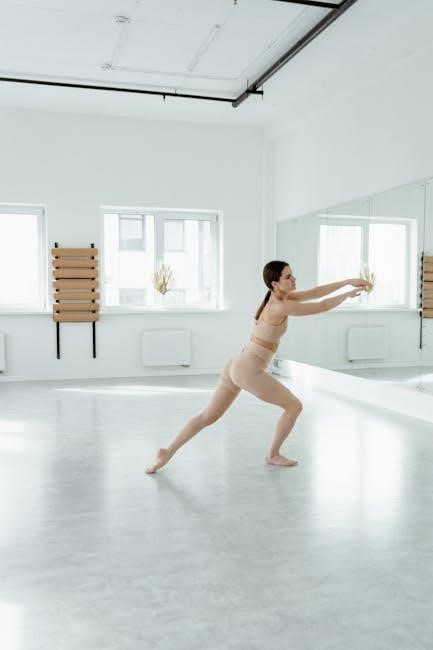
Pilates offers a low-impact approach, improving core strength, flexibility, and body awareness; beginner PDFs provide accessible routines for all fitness levels․
A Pilates PDF helps build a stronger core, enhance posture, and increase mind-body connection, making it ideal for those new to exercise․
Improved Core Strength and Stability
Pilates fundamentally focuses on strengthening the core, and a beginner’s PDF guide is an excellent starting point for building this foundational strength․ These guides typically introduce exercises like The Hundred and Roll-Ups, specifically designed to engage deep abdominal muscles․
Consistent practice, guided by a PDF resource, leads to improved stability, not just in the core, but throughout the entire body․ This enhanced stability translates to better posture, reduced risk of injury, and improved performance in other physical activities․ The controlled movements inherent in Pilates, as outlined in beginner PDFs, ensure proper muscle engagement and prevent strain․
Furthermore, a strong core supports the spine, alleviating back pain and promoting overall physical well-being․ Utilizing a Pilates PDF allows individuals to progress at their own pace, safely building core strength and stability․
Enhanced Flexibility and Posture
Pilates, as detailed in many beginner PDF guides, emphasizes lengthening and stretching muscles alongside strengthening․ Exercises like Single Leg Circles and Rolling Like a Ball actively improve flexibility, particularly in the hamstrings, hips, and spine․
A beginner-friendly PDF will often include modifications to accommodate varying flexibility levels, ensuring safe and effective stretching․ This increased flexibility directly contributes to improved posture, counteracting the effects of prolonged sitting or poor alignment․
By strengthening core muscles and promoting spinal alignment, Pilates helps to correct postural imbalances․ Consistent practice, guided by a PDF resource, leads to a more upright and balanced posture, reducing strain on joints and improving overall body mechanics․
Increased Body Awareness and Mind-Body Connection
Pilates, as explained in numerous beginner PDF guides, isn’t just about physical exercise; it’s a practice that cultivates a deep connection between mind and body․ The emphasis on controlled movements and precise execution requires focused attention, enhancing proprioception – your awareness of your body in space․
A quality beginner Pilates PDF will highlight the importance of breathing techniques, integrating breath with each movement to further deepen this mind-body connection; This mindful approach promotes a greater understanding of your body’s capabilities and limitations․
Exercises like The Hundred and Roll-Up demand concentration, fostering a heightened sense of body awareness․ This increased awareness translates to improved coordination, balance, and a more embodied experience of movement, as detailed in resources available today․
Essential Pilates Exercises for Beginners
Beginner Pilates PDF guides commonly feature foundational exercises like The Hundred, Roll-Up, Single Leg Circles, and Rolling Like a Ball for core strength․
These exercises, detailed in PDF resources, build strength, flexibility, and body awareness, forming the basis of a successful Pilates practice․
Katherine Corp’s guide provides step-by-step instructions for these essential movements, helping beginners establish proper form and technique․
The Hundred
The Hundred is a cornerstone Pilates exercise frequently detailed in beginner PDF guides, designed to warm the core and build foundational strength․ It involves lying supine with knees bent or extended, curling the head and shoulders off the mat while pumping the arms vigorously․
Typically, practitioners inhale for five pumps and exhale for five, repeating this cycle ten times – hence the name ‘The Hundred․’ PDF resources emphasize maintaining core engagement throughout, preventing strain on the neck, and coordinating breath with movement․ Modifications are often suggested for beginners, such as keeping the head down or knees bent․
Mastering The Hundred establishes proper Pilates principles: core stabilization, precise movements, and breath control․ Many beginner guides highlight its importance as a preparatory exercise for more complex routines, building endurance and body awareness․
Roll-Up
The Roll-Up is a classic Pilates exercise often featured in beginner PDF guides, focusing on spinal articulation and core strength․ Starting supine with legs extended and arms overhead, the exercise involves slowly curling the body up, vertebra by vertebra, reaching towards the toes․
PDF resources stress the importance of initiating the movement from the deep abdominal muscles, maintaining a C-curve in the spine, and controlling the descent back down․ Beginner modifications frequently include bending the knees or using arms to assist the movement․
The Roll-Up builds core control, improves flexibility, and enhances body awareness․ It’s a foundational exercise preparing individuals for more advanced Pilates movements, emphasizing precision and mindful engagement․
Single Leg Circles
Single Leg Circles, a common exercise in beginner Pilates PDFs, focuses on hip mobility, core stabilization, and leg strength․ Performed lying supine, one leg extends towards the ceiling while the other remains grounded․ The extended leg then traces small circles in the air, maintaining core engagement․
PDF guides emphasize keeping the pelvis stable and avoiding excessive rocking․ Modifications for beginners often involve smaller circle sizes or a slight bend in the extended leg․ This exercise improves coordination and control, strengthening the hip flexors and abdominal muscles․
Single Leg Circles enhance body awareness and prepare the body for more complex Pilates movements, promoting balanced muscle development and improved posture․
Rolling Like a Ball
Rolling Like a Ball, frequently featured in beginner Pilates PDFs, is a dynamic exercise that challenges core strength, spinal mobility, and coordination․ Starting in a seated position, knees drawn into the chest, individuals rock back onto their shoulders and then roll back up to the starting position․
PDF guides often stress maintaining a C-curve in the spine throughout the movement and avoiding rolling onto the neck․ Beginners may find it helpful to keep hands clasped around the shins for support․ This exercise strengthens abdominal muscles and improves balance;
Rolling Like a Ball also enhances proprioception – the body’s awareness of its position in space – and promotes a playful approach to fitness․
Finding a Pilates PDF Guide for Beginners
Pilates PDFs offer structured routines and essential exercises, like The Hundred, providing accessible guidance for beginners to start their fitness journey at home․
What to Look for in a Beginner Pilates PDF
When selecting a Pilates PDF guide for beginners, prioritize clarity and comprehensive instruction․ Look for resources that detail fundamental principles, emphasizing core engagement, precise movements, and proper breathing techniques․ A good guide will include step-by-step explanations accompanied by clear illustrations or photos demonstrating correct form for exercises like The Hundred, Roll-Up, and Single Leg Circles․
Ensure the PDF caters specifically to beginners, offering modifications for varying fitness levels and addressing common challenges․ It should also outline essential equipment – often minimal, like a mat – and safety precautions․ A well-structured guide will progress logically, building foundational strength and flexibility before introducing more complex exercises․ Consider PDFs that emphasize the mind-body connection, a core tenet of Pilates, and promote body awareness․
Popular Pilates PDF Resources (2025)

Currently, Katherine Corp’s “Pilates for Beginners” (2025 edition) is highly recommended, praised for its detailed, step-by-step approach and focus on building a strong foundation․ The “Beginner’s Guide to Pilates – 6th Edition” (2025), a 164-page resource, is also popular, offering a comprehensive overview and accessible exercises․
Several free PDFs are available online, though quality varies․ Websites offering curated beginner routines often provide downloadable guides․ Look for resources from certified Pilates instructors to ensure accuracy and safety․ Remember to cross-reference information and prioritize guides that emphasize proper form and breathing․ Always consult a healthcare professional before starting any new exercise program, even with a PDF guide․
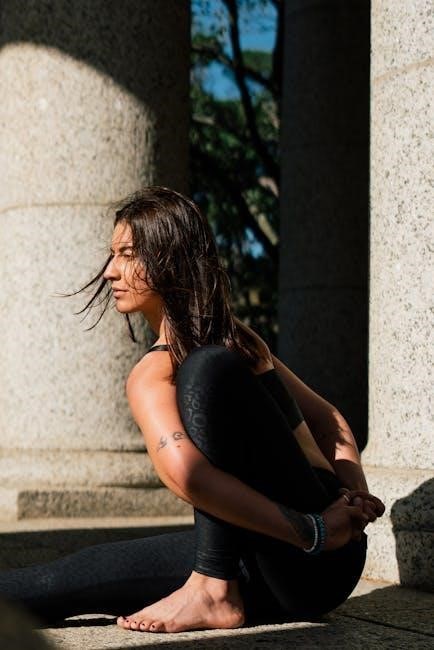
Setting Up Your Pilates Space
Pilates mat work requires minimal equipment, making home practice accessible; a PDF guide helps utilize space effectively for controlled movements and mindful exercise․
A comfortable, safe environment is key; beginner PDFs often suggest clear floor space and a mat, promoting proper form during exercises at home․
Essential Equipment (Minimal Requirements)
Fortunately, beginning your Pilates journey doesn’t demand a significant investment in equipment! Many excellent Pilates exercises for beginners, as detailed in numerous PDF guides, can be effectively performed using just a mat․ A quality exercise mat provides cushioning and support, crucial for comfort and proper alignment during floor work․
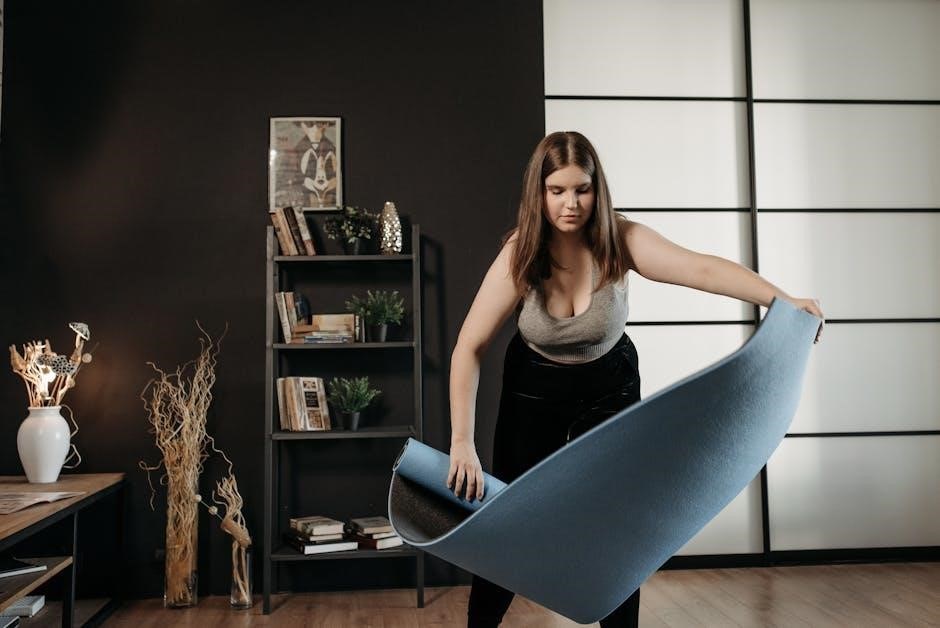
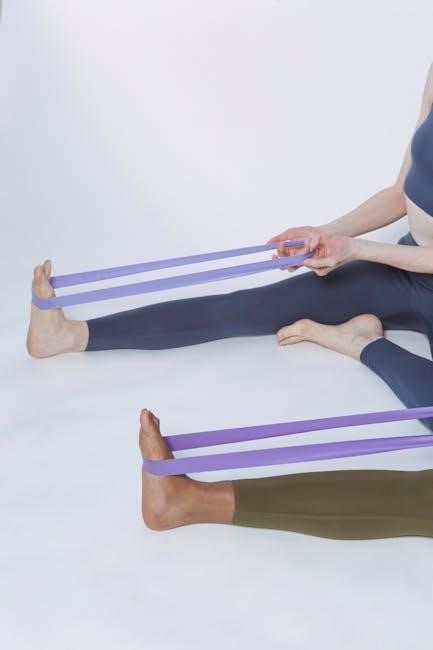
While not strictly essential initially, a Pilates ring (or magic circle) can add resistance and challenge to certain exercises, enhancing muscle engagement․ Some PDF resources may incorporate exercises utilizing resistance bands for similar benefits․ As you progress, you might consider adding light hand weights, but these aren’t necessary for foundational movements․ The core principle is controlled movement, achievable with minimal props, especially when following a well-structured beginner PDF․
Ultimately, your bodyweight is the primary resistance, and a dedicated space is more important than expensive gear․
Creating a Comfortable and Safe Environment
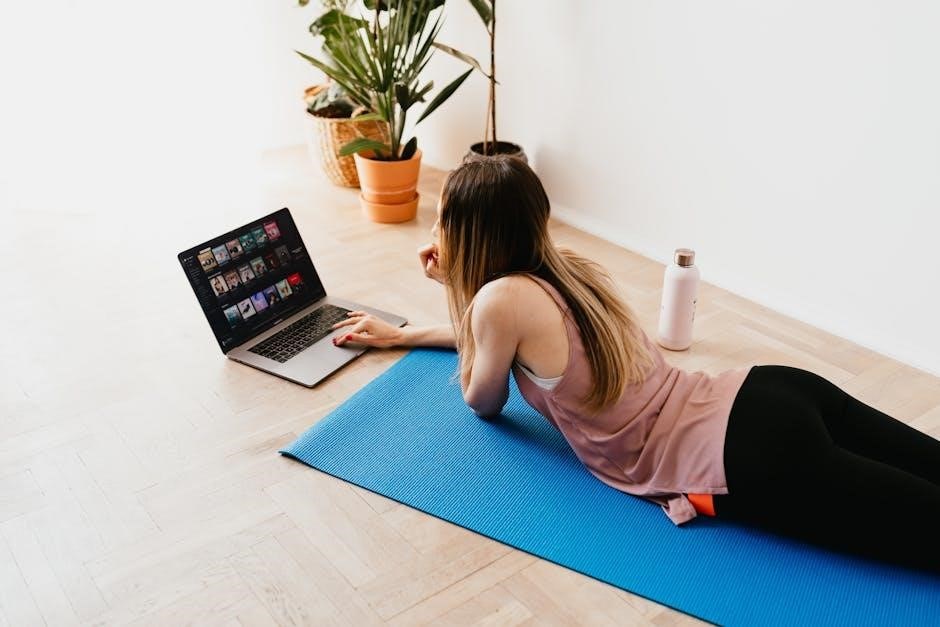
Prioritizing a comfortable and safe space is paramount when starting Pilates, especially when utilizing a beginner PDF guide for home practice․ Choose a quiet area free from distractions, allowing you to focus on precise movements and breath control․ Ensure you have enough space to extend your limbs fully in all directions without obstruction․
Good flooring is essential – a Pilates mat over a carpeted surface or a dedicated exercise floor works well․ Adequate lighting helps maintain proper form and prevents strain․ Consider playing calming music to enhance relaxation and focus․ Before beginning, review the PDF’s safety guidelines and listen to your body, modifying exercises as needed․
A mindful approach to your surroundings contributes significantly to a positive and effective Pilates experience․
Pilates Breathing Techniques
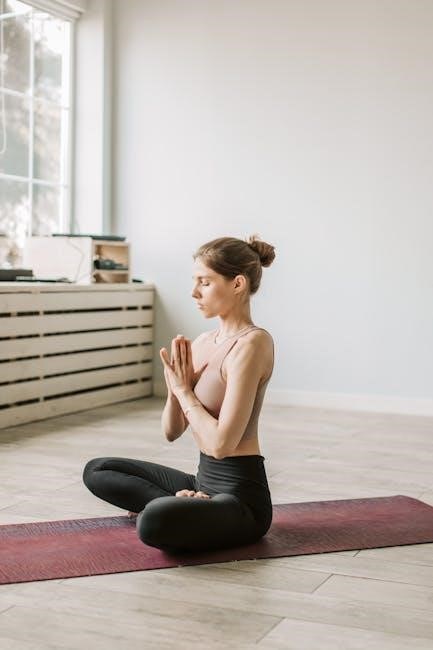
Pilates emphasizes breath control; beginner PDF guides detail diaphragmatic breathing, integrating it with movement to enhance core engagement and mindful exercise․
Controlled breathing improves posture, muscle strength, and the mind-body connection, vital components detailed within introductory Pilates resources and PDFs․
Diaphragmatic Breathing Explained
Diaphragmatic breathing, often called “belly breathing,” is fundamental to Pilates and is thoroughly explained in many beginner PDF guides․ Unlike shallow chest breathing, this technique involves fully expanding the abdomen as you inhale․ Imagine filling your lungs from the bottom up, allowing your diaphragm to descend and create space for air․
As you exhale, gently contract your abdominal muscles to push the air out, feeling your navel draw towards your spine․ This engages the core muscles, a key principle of Pilates․ Beginner resources often emphasize visualizing this movement to ensure proper form․ Mastering this breath control enhances core stability, improves oxygen intake, and promotes a sense of calm, all crucial for effective Pilates practice․ PDFs frequently include diagrams and step-by-step instructions to aid understanding․
Integrating Breath with Movement
Pilates emphasizes a seamless connection between breath and movement, a concept detailed in most beginner PDF guides․ Typically, inhalation prepares the body for movement, creating space and lengthening muscles, while exhalation accompanies the effort or contraction․ For example, during a curl-up, you’d inhale to prepare and exhale as you lift your upper body․
Beginner resources highlight that coordinating breath enhances core engagement and control․ PDFs often provide specific breathing cues for each exercise, ensuring proper technique and maximizing benefits․ This mindful synchronization not only improves physical performance but also fosters a deeper mind-body connection․ Consistent practice, guided by a Pilates PDF, will help you internalize this rhythm, making movements more fluid and effective․
Modifications and Progressions
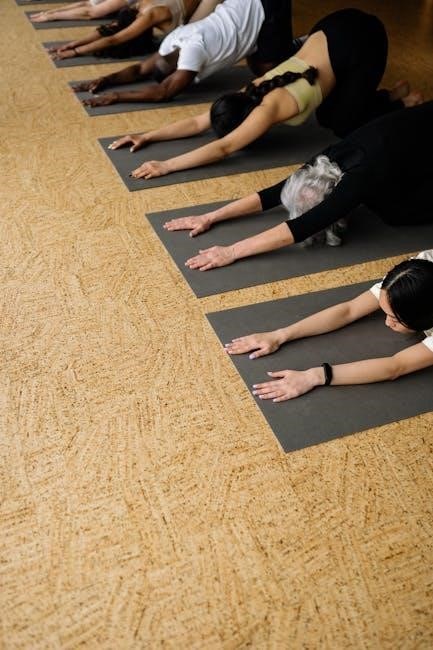
Pilates PDFs for beginners offer exercise adaptations for varying fitness levels, allowing modifications and progressions for safe, effective practice․
Beginner guides detail how to adjust exercises, ensuring accessibility, while also outlining paths to increase challenge as strength and control improve․
PDF resources emphasize listening to your body and gradually increasing difficulty, promoting a sustainable and rewarding Pilates journey․
Adapting Exercises for Different Fitness Levels
Pilates PDF guides for beginners frequently highlight the importance of modifications, recognizing that individuals start with varying levels of strength, flexibility, and body awareness․ A quality resource won’t present a one-size-fits-all approach․ Instead, it will demonstrate how to scale exercises to suit individual needs․
For example, The Hundred can be modified by bending the knees or keeping the head down; Roll-Ups might begin with assisted movements, using hands to support the back․ These PDFs often include visual cues and detailed instructions on how to simplify or amplify the challenge․
The goal is to ensure everyone can experience the benefits of Pilates safely and effectively, regardless of their current fitness level․ Progressions are then introduced gradually, building upon a solid foundation․ This adaptable nature is a key strength of Pilates and a feature well-represented in comprehensive beginner PDFs․
Progressing to More Challenging Variations
Once comfortable with foundational Pilates exercises, a good beginner PDF guide will outline clear progressions․ This builds strength and prevents plateaus․ For instance, after mastering basic Single Leg Circles, the range of motion can be increased, or the supporting leg can be straightened․
Similarly, with Roll-Ups, the arms can be extended overhead, adding resistance and requiring greater core control․ Advanced variations of The Hundred might involve lifting the legs higher or adding pulses․ These PDF resources often demonstrate these progressions visually․
The key is to maintain proper form throughout․ A well-structured PDF emphasizes controlled movements and mindful engagement, ensuring safety as you increase the difficulty․ Progressing gradually allows you to continually challenge your body and deepen your Pilates practice․