

Article Plan: Reading Comprehension for Kindergarten PDF
This comprehensive guide details resources – leveled readers, worksheets, and online programs like Reading Eggs – to boost early literacy skills,
focusing on CVC words and phonological awareness.
Kindergarten reading comprehension marks a pivotal stage in a child’s literacy journey. It’s the ability to not just decode words, but to understand, interpret, and gain meaning from text. This foundational skill sets the stage for all future academic success, impacting performance across all subjects.
Early reading comprehension isn’t about complex narratives; it begins with simple concepts. Recognizing characters, understanding the sequence of events in a story, and answering basic “who, what, where, when, why” questions are crucial first steps. Resources like printable reading materials and readily available Kindergarten reading PDFs play a vital role in fostering these skills.
This article will explore effective strategies, free online resources – including EnglishClub and Reading.com – and tools like leveled readers to cultivate strong reading comprehension in kindergarteners. We’ll also touch upon assessment methods and the importance of creating a reading-rich environment to nurture a lifelong love of reading.
Why is Reading Comprehension Important in Kindergarten?
Reading comprehension in kindergarten isn’t merely about preparing for first grade; it’s about building a foundation for lifelong learning. Children who grasp comprehension early demonstrate improved cognitive skills, expanded vocabulary, and enhanced critical thinking abilities. These skills extend far beyond the realm of reading, positively influencing performance in math, science, and social studies.
Strong comprehension fosters a love of reading, encouraging children to explore new worlds and ideas independently. Access to Kindergarten reading PDFs and online resources like Reading Eggs can ignite this passion. Furthermore, understanding what they read empowers young learners to ask questions, make connections, and form their own opinions.
Research, as highlighted by reports from NAEP, PIRLS, and PISA, consistently demonstrates a strong correlation between early reading comprehension and future academic achievement. Investing in these skills now yields significant long-term benefits for a child’s educational journey.
Key Skills for Kindergarten Reading Comprehension
Developing robust reading comprehension in kindergarten requires a multifaceted approach, focusing on several key skills. Phonological awareness – the ability to recognize and manipulate sounds in spoken language – is foundational. This includes rhyming, segmenting, and blending sounds. Simultaneously, phonics skills, understanding the relationship between letters and sounds, are crucial for decoding words, particularly CVC words.
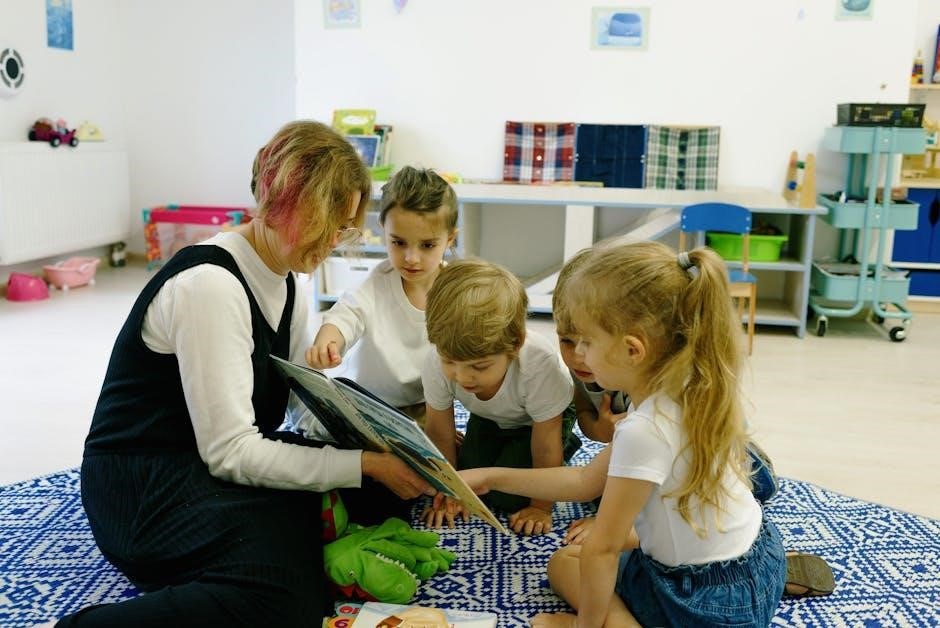
Vocabulary development is equally vital; a wider vocabulary directly impacts comprehension. Utilizing flashcards and reading aloud, as suggested by various resources, can significantly expand a child’s lexicon. Programs like Reading Eggs incorporate these elements into engaging lessons.
These skills aren’t isolated. They work synergistically, enabling children to not only decode text but also to understand its meaning, a skill assessed through both informal and formal methods.

Phonological Awareness
Phonological awareness is the broad skill of recognizing and manipulating the sounds of spoken language. It’s a crucial precursor to reading and a key component of kindergarten reading comprehension. This isn’t about letters; it’s purely auditory. Activities include identifying rhymes – “cat” and “hat” – and segmenting words into individual sounds – breaking “dog” into /d/ /o/ /g/.
Blending sounds – combining /c/ /a/ /t/ to say “cat” – is another vital skill. Developing this awareness helps children decode unfamiliar words and improves their overall reading fluency. Resources emphasize that strong phonological awareness significantly impacts a child’s ability to grasp reading concepts.
Early intervention focusing on these skills, through playful activities and targeted exercises, sets a strong foundation for future reading success, as highlighted in various reading achievement reports.
Phonics Skills
Phonics skills build upon phonological awareness, connecting sounds to letters. Kindergarteners learn to associate letters with their corresponding sounds – for example, ‘b’ makes the /b/ sound. Mastering phonics is essential for decoding words and building reading fluency. A core focus is on CVC (consonant-vowel-consonant) words like “cat,” “dog,” and “sun,” providing a foundational step in reading.
Programs like Reading Eggs and online resources offer structured phonics lessons and games. Understanding letter-sound relationships allows children to independently attempt reading, boosting confidence and comprehension. Spotlight on specific letters, such as ‘U’ and ‘Y’, reinforces these connections.
Effective phonics instruction, integrated with reading practice, is consistently linked to improved reading achievement, as evidenced by NAEP and PIRLS reports.
Vocabulary Development
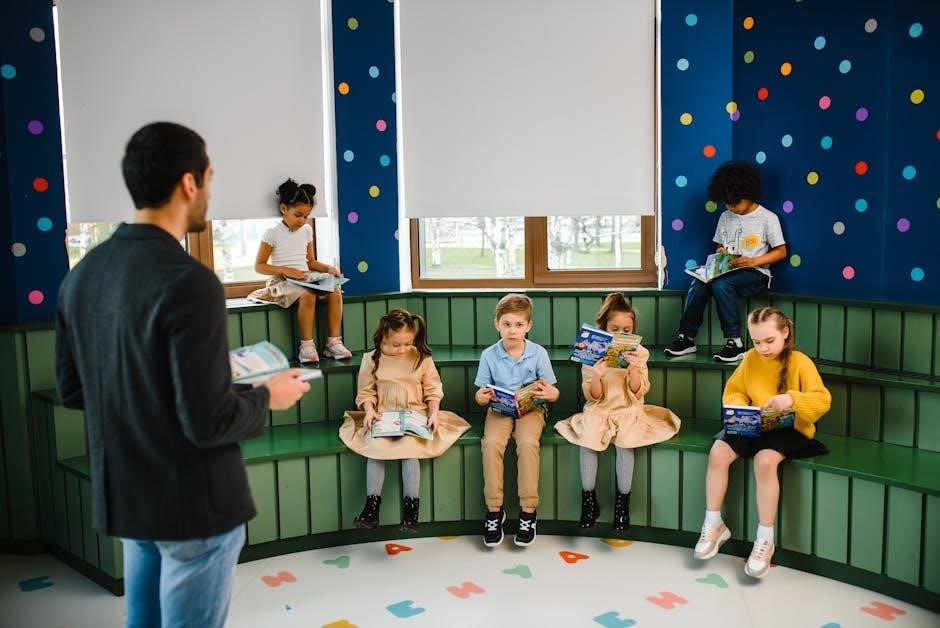
A robust vocabulary is crucial for reading comprehension. Kindergarteners benefit from exposure to a wide range of words, both through reading aloud and direct instruction. Building vocabulary isn’t just about memorizing definitions; it’s about understanding how words are used in context.
Utilizing flashcards is a proven method for vocabulary reinforcement, especially when paired with visual cues. Leveled readers introduce new words gradually, supporting comprehension. Online resources, like EnglishClub, offer beginner-friendly texts and translation tools for ESL learners, expanding their word knowledge.
Reading.com’s step-by-step program and programs like Reading Eggs actively incorporate vocabulary building into their lessons. A strong vocabulary directly impacts a child’s ability to understand what they read, contributing to overall reading proficiency.
Understanding CVC (Consonant-Vowel-Consonant) Words
CVC words – those following a consonant-vowel-consonant pattern (like cat, dog, sun) – form the foundation of early reading skills. Mastering these words is a significant step towards decoding and comprehension. Kindergarten reading PDFs and worksheets often heavily feature CVC practice.
Programs like Reading Eggs and online reading resources provide numerous lessons specifically designed to build proficiency with CVC words. Guided reading sessions utilizing leveled readers allow children to encounter and practice these words in context.
Focusing on phonological awareness and phonics skills is essential when working with CVC words. Recognizing letter sounds and blending them together is key. Consistent practice with CVC words builds confidence and fluency, paving the way for more complex reading material.
The Role of Guided Reading in Kindergarten
Guided reading plays a crucial role in fostering reading comprehension in kindergarten. This instructional approach involves small group sessions where a teacher supports students as they read leveled texts. These texts are carefully selected to match students’ developing reading abilities.
Utilizing leveled readers allows for targeted practice with specific skills, such as decoding CVC words and understanding simple sentence structures. Teachers provide prompts and support to encourage students to actively engage with the text and monitor their comprehension.
Many kindergarten reading PDFs offer accompanying guided reading lesson plans. Resources like EnglishClub and Reading.com provide materials to enhance these sessions, building a strong foundation for independent reading and a love for literature.
Utilizing Leveled Readers for Comprehension
Leveled readers are foundational tools for building reading comprehension in kindergarten. These books are strategically designed with increasing complexity in vocabulary and sentence structure, aligning with a child’s developmental reading stage.
Effective use involves selecting texts at the “just right” level – challenging enough to promote growth, yet accessible enough to avoid frustration. Teachers can utilize award-winning reading solutions offering thousands of leveled readers, alongside lesson plans and assessments.
Focusing on comprehension strategies during reading, such as predicting, questioning, and summarizing, enhances understanding. Many kindergarten reading PDFs incorporate activities to support these skills. Resources like Reading Eggs provide hundreds of online leveled books, fostering a positive reading experience.
Free Online Reading Resources for Beginners
Numerous free online resources can significantly support kindergarten reading comprehension development. EnglishClub provides ESL learners with reading tips, exercises, and tests, including a reading guide and short stories, ideal for building foundational skills.
Websites offering English texts for beginners allow children to practice reading and comprehension online at no cost. These platforms often incorporate interactive elements to maintain engagement and reinforce learning. Practicing comprehension simultaneously improves vocabulary and grammar understanding.
Reading.com offers a step-by-step program designed to help children learn to read, providing a structured approach to early literacy. Exploring these resources alongside kindergarten reading PDFs can create a well-rounded learning experience.
Reading Eggs and Similar Programs
Reading Eggs stands out as a highly effective online reading program specifically designed to help children learn to read. It features hundreds of lessons, engaging phonics games, and a vast library of online books suitable for ages 2-13, making it adaptable for various skill levels.
The program’s interactive format keeps young learners motivated while systematically building essential reading skills, including phonological awareness and decoding. A free trial allows parents and educators to assess its suitability before committing to a subscription.
While Reading Eggs is a prominent example, similar programs also exist, offering alternative approaches to early literacy instruction. These platforms often complement kindergarten reading PDFs and other resources, providing a diverse learning toolkit.

Spotlight on Letter Sounds: U and Y
Focusing on individual letter sounds is crucial for kindergarten reading comprehension, and the letters ‘U’ and ‘Y’ often present unique challenges. The letter ‘U’, as seen in “sun” and “cup”, typically makes the /ŭ/ sound, but can also create a /oo/ sound as in “blue”.
The letter ‘Y’ is particularly versatile, functioning as both a consonant and a vowel. It often sounds like /y/ at the beginning of words like “yellow”, but can produce a long ‘e’ or long ‘i’ sound, as in “happy” and “sky”.
Dedicated practice with words containing these letters, utilizing kindergarten reading PDFs and targeted worksheets, helps children master these sounds and improve decoding skills. Spotlight 3 Reading Letter U resources can be particularly helpful.
Assessing Reading Comprehension in Kindergarten
Regular assessment is vital to track a kindergartener’s reading comprehension progress and tailor instruction effectively. This can be achieved through both informal and formal methods. Informal assessments include observing a child’s ability to retell a story in their own words, answer simple questions about a text, or predict what might happen next.
These observations provide valuable insights into their understanding. Formal assessments, while less frequent, offer a standardized measure of skills. These might involve specific reading tests for early learners, designed to evaluate phonological awareness, decoding, and comprehension.
Utilizing kindergarten reading PDFs with built-in comprehension questions can also serve as a quick assessment tool. Consistent monitoring allows educators to identify areas where a child needs additional support.
Informal Assessments
Informal reading assessments are ongoing, flexible, and integrated into daily classroom activities. They provide a naturalistic view of a child’s comprehension skills without the pressure of a formal test. Observing a child while reading aloud – noting their fluency, self-corrections, and ability to answer “just-read” questions – is a powerful technique.
Asking students to retell stories in their own words reveals their understanding of the plot, characters, and setting. Encouraging predictions about what will happen next demonstrates their ability to make inferences.
Think-alouds, where the teacher models their thought process while reading, can also be used to assess comprehension. Utilizing kindergarten reading PDFs and prompting discussions about the text are also effective informal strategies.
Formal Assessments
Formal reading assessments offer standardized measures of a child’s reading comprehension abilities. These assessments typically involve structured tasks and scoring rubrics, providing quantifiable data to track progress and identify areas needing support. While less frequent than informal checks, they offer a broader perspective.
Standardized reading tests, often administered individually, assess skills like phonological awareness, decoding, and comprehension. These tests are often used to benchmark against national norms, as reported by organizations like NAEP, PIRLS, and PISA.
Utilizing kindergarten reading PDFs designed for assessment can provide targeted insights. Analyzing performance on these assessments helps educators tailor instruction and ensure all students are on track to meet reading proficiency goals.
Reading Comprehension Worksheets & PDFs
Numerous free and paid reading comprehension worksheets and PDFs are available online, specifically designed for kindergarten learners. These resources often focus on foundational skills like identifying main ideas, recalling details, and making simple inferences. They frequently incorporate colorful illustrations to engage young readers.
Worksheets targeting CVC words are particularly beneficial, reinforcing phonics skills alongside comprehension. Printable reading materials often include short passages followed by multiple-choice or fill-in-the-blank questions.
Finding and utilizing kindergarten reading PDFs allows educators and parents to supplement classroom learning with targeted practice. Resources like Reading;com offer step-by-step programs and printable materials. These tools are invaluable for building a strong foundation in reading comprehension.
Printable Reading Materials for Kindergarten
A wealth of printable reading materials caters specifically to kindergarten students, supporting the development of crucial comprehension skills. These resources often include short stories, poems, and simple informational texts, accompanied by engaging illustrations to capture young learners’ attention.
Worksheets focusing on CVC words are readily available, reinforcing phonics alongside comprehension practice. Leveled readers, often found as PDFs, allow children to progress at their own pace. EnglishClub provides English texts for beginners, ideal for ESL kindergarteners.
Utilizing these materials fosters independent reading and provides opportunities for targeted skill practice. Reading comprehension worksheets & PDFs complement these texts, offering assessment and reinforcement. These printable resources are essential for building a strong literacy foundation.
Improving Reading Proficiency Through Practice
Consistent practice is paramount in enhancing kindergarten reading proficiency. Regular exposure to diverse texts, including those found in Kindergarten Reading PDFs, builds fluency and comprehension. Reading.com’s step-by-step program exemplifies a structured approach to skill development.
Utilizing flashcards effectively expands vocabulary, a cornerstone of comprehension. Reading aloud to children, even as they begin to read independently, models fluent reading and fosters a love of literature. Leveled readers allow for appropriately challenging practice.
Engaging with online resources like Reading Eggs provides interactive learning opportunities. Regular assessments, both informal and formal, pinpoint areas needing improvement. This dedicated practice, combined with varied materials, cultivates confident and capable young readers.
NAEP, PIRLS, and PISA Reading Achievement Reports
Reading achievement is a globally tracked metric, with organizations like NAEP (National Assessment of Educational Progress), PIRLS (Progress in International Reading Literacy Study), and PISA (Programme for International Student Assessment) providing crucial data. These reports highlight trends in reading proficiency among children and adults, informing educational strategies.
Analyzing these reports reveals areas where students excel and struggle, guiding curriculum development and resource allocation. Understanding these benchmarks is vital for educators aiming to improve reading comprehension, particularly in early grades like kindergarten.
Data from these assessments underscores the importance of foundational skills – phonological awareness, phonics, and vocabulary – which are often addressed in Kindergarten Reading PDFs and early literacy programs. These reports emphasize the need for continuous monitoring and targeted interventions to ensure all students achieve reading success.
EnglishClub Resources for ESL Kindergarteners
EnglishClub offers a wealth of resources specifically designed to support English as a Second Language (ESL) learners in kindergarten. These resources are invaluable for building foundational reading skills in children who are simultaneously acquiring English language proficiency.
The platform provides tips, exercises, and tests tailored to beginner English readers, aiding comprehension and vocabulary development. Kindergarten Reading PDFs can be supplemented with EnglishClub’s reading guides and recommended short stories, offering diverse reading materials.

EnglishClub’s focus on practical application helps ESL students connect language learning to real-world contexts. This approach, combined with readily available Kindergarten Reading PDFs, fosters confidence and accelerates reading progress. The site also provides tools for vocabulary building, crucial for ESL learners tackling new texts.
Reading Tests for Early Learners
Assessing reading comprehension in kindergarten is crucial for identifying areas where young learners excel and where they require additional support. Various reading tests are available, catering to different skill levels and focusing on diverse text types.
These tests, often found alongside Kindergarten Reading PDFs, evaluate a child’s ability to understand what they read, including identifying main ideas, recalling details, and making inferences. Different test formats – multiple choice, fill-in-the-blank, and short answer – provide a comprehensive assessment.
Utilizing these assessments allows educators and parents to track progress and tailor instruction accordingly. Resources like Reading.com and EnglishClub offer reading tests designed for early learners, complementing the use of Kindergarten Reading PDFs and providing valuable insights into a child’s reading journey.

Language Learning Through Reading
Reading serves as a cornerstone for language acquisition, particularly for kindergarteners and ESL students. Exposure to diverse texts, even within Kindergarten Reading PDFs, expands vocabulary and reinforces grammatical structures organically.
Resources like EnglishClub specifically cater to ESL learners, offering reading materials and exercises designed to improve comprehension and fluency. The ability to click on words for translation, as offered by some platforms, is invaluable for building understanding.
Integrating reading into language learning fosters a love of books and encourages independent exploration. Utilizing leveled readers and supplementary materials found in Kindergarten Reading PDFs creates a supportive environment where children can confidently develop their language skills, enhancing both reading and overall communication abilities.
Reading.com’s Step-by-Step Program
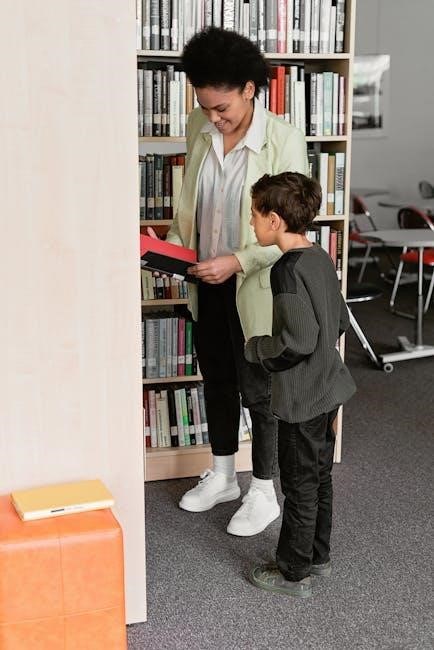
Reading.com provides a structured approach to early literacy, offering a proven, step-by-step program designed to build confidence in young readers. This program aligns well with the goals of utilizing Kindergarten Reading PDFs for supplemental practice.
The platform focuses on foundational skills, such as phonological awareness and phonics, which are crucial for decoding CVC words – a key component of early reading comprehension. Its curriculum is designed to progressively challenge students, ensuring they master each skill before moving on.

By incorporating interactive lessons and engaging activities, Reading.com aims to make learning to read enjoyable. This complements the use of Kindergarten Reading PDFs by providing a digital component to reinforce concepts and track progress, ultimately fostering a lifelong love of reading.
Building Vocabulary with Flashcards
Vocabulary development is a cornerstone of reading comprehension, especially in Kindergarten. Utilizing flashcards is a highly effective method for expanding a child’s lexicon, directly supporting their ability to understand Kindergarten Reading PDFs and other texts.
Flashcards can feature sight words, CVC word families, or images representing key concepts encountered in early reading materials. Regular practice with flashcards strengthens word recognition and recall, reducing cognitive load during reading.
To maximize effectiveness, incorporate flashcard activities into playful learning experiences. Pairing images with words, or using flashcards in simple games, enhances engagement and retention. This approach seamlessly integrates with the use of Kindergarten Reading PDFs, providing a tangible way to reinforce new vocabulary.
The Importance of Reading Aloud
Reading aloud to Kindergarteners is arguably the most impactful activity for fostering a love of reading and building comprehension skills, directly benefiting their engagement with Kindergarten Reading PDFs. It exposes children to rich language, complex sentence structures, and diverse vocabulary far beyond their independent reading level.
During read-alouds, pause to ask questions about the story, characters, and plot, encouraging active listening and critical thinking. This interactive approach helps children make connections between the text and their own experiences, deepening comprehension.
Selecting engaging and age-appropriate books, including those that complement Kindergarten Reading PDFs, is crucial. Reading with expression and enthusiasm further captivates young learners, making the experience enjoyable and memorable, ultimately boosting their reading proficiency.
Creating a Reading-Rich Environment
A reading-rich environment is fundamental to nurturing a lifelong love of reading and supporting comprehension skills, especially when utilizing Kindergarten Reading PDFs. This means making books readily accessible throughout the classroom and home, creating cozy reading nooks, and displaying print materials like alphabet charts and word walls.
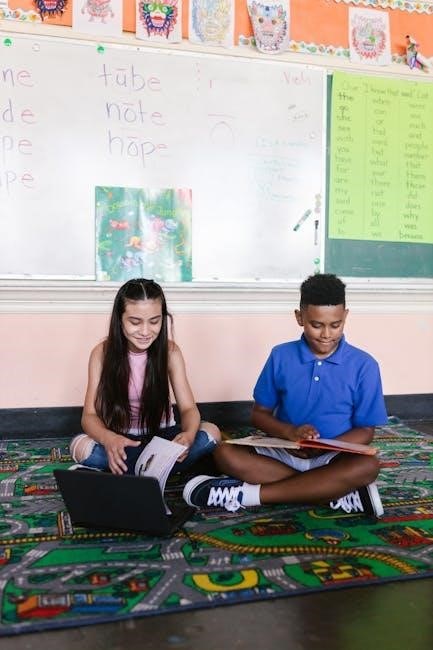
Surround children with diverse reading materials – picture books, magazines, and even environmental print (labels, signs). Encourage children to interact with books by providing opportunities for them to handle, explore, and “read” independently, even before they can decode words.
Regularly incorporate reading-related activities into daily routines, such as shared reading, story time, and book discussions. Integrating digital resources, like interactive Kindergarten Reading PDFs, further enhances engagement and provides varied learning experiences.
Finding and Utilizing Kindergarten Reading PDFs
Locating high-quality Kindergarten Reading PDFs is crucial for supplementing instruction and providing targeted practice. Numerous online resources offer free and paid printable materials, including worksheets focusing on CVC words, phonics skills, and basic comprehension questions. Websites like Reading.com and educational resource platforms host extensive collections.
When selecting PDFs, prioritize those aligned with established reading standards and featuring engaging illustrations. Look for materials that offer varied question types – multiple choice, fill-in-the-blank, and open-ended responses – to assess different comprehension levels.
Effectively utilizing these PDFs involves incorporating them into small group activities, independent practice, or as take-home assignments. Remember to preview the materials to ensure they are developmentally appropriate and support the specific skills you are teaching.