

Today, February 16, 2026, embracing an anti-inflammatory approach to eating is vital for well-being, potentially reducing risks of chronic diseases and improving overall health.
Many are seeking guidance, with resources like free anti-inflammatory food list PDFs readily available from sources like Jackie Silver Nutrition and Eat Beautiful.
This dietary style emphasizes whole, plant-based foods, proving beneficial for conditions like arthritis, heart disease, and stroke, as highlighted in recent discussions.
What is Inflammation?
Inflammation is the body’s natural response to injury or infection, a crucial protective mechanism. However, chronic inflammation, a prolonged state, is increasingly linked to numerous health issues. It’s no longer simply about acute responses; persistent, low-grade inflammation underlies conditions like heart disease, arthritis, and even some cancers.
Understanding inflammation is key to appreciating the benefits of an anti-inflammatory diet. This isn’t about eliminating inflammation entirely – that’s impossible and undesirable – but rather about managing it. The recent surge in interest, evidenced by TikTok trends and celebrity endorsements like Vidya Balan’s weight loss journey, demonstrates a growing awareness.
Resources like the anti-inflammatory food list PDF, offered by nutritionists, aim to guide individuals towards dietary choices that can modulate this inflammatory response. These lists prioritize foods rich in antioxidants and beneficial fats, helping to quell the underlying causes of chronic inflammation and promote overall wellness; Ignoring chronic inflammation can have serious consequences, making proactive dietary changes essential.
The Role of Diet in Managing Inflammation
Diet plays a pivotal role in managing inflammation, acting as either a promoter or a suppressor of the inflammatory process. Unlike restrictive “rules” popularized on platforms like TikTok – eliminating entire food groups – a balanced anti-inflammatory diet focuses on abundance. It prioritizes nutrient-dense foods that actively combat inflammation at a cellular level.
The availability of resources like a comprehensive anti-inflammatory food list PDF simplifies this process, offering a practical guide to incorporating beneficial foods. These lists typically emphasize oily fish, fruits, and vegetables, aligning with proven dietary strategies for reducing disease risk.
This approach isn’t a “fad,” but a scientifically-backed method for improving health. By consciously choosing foods that support the body’s natural anti-inflammatory mechanisms, individuals can proactively mitigate chronic inflammation and enhance their overall well-being. It’s about making informed choices, guided by resources and a focus on whole, unprocessed foods.
Key Food Groups for an Anti-Inflammatory Diet
Utilizing an anti-inflammatory food list PDF reveals core groups: fruits, vegetables, healthy fats, and proteins, like fatty fish and lean poultry, are essential for reducing inflammation.
Fruits: A Colorful Defense
Leveraging an anti-inflammatory food list PDF highlights fruits as a cornerstone of this dietary approach, offering a vibrant spectrum of benefits. These natural wonders are packed with vitamins, minerals, and potent antioxidants, actively combating inflammation within the body.
Berries, particularly blueberries, strawberries, raspberries, and blackberries, stand out as true powerhouses. Their high anthocyanin content delivers exceptional antioxidant protection, shielding cells from damage and reducing inflammatory markers. Incorporating a variety of berries into your daily routine is a simple yet effective strategy.
Cherries, both sweet and tart, deserve special mention. Research suggests they possess unique properties beneficial for muscle recovery, making them ideal for athletes or anyone experiencing post-exercise soreness. The compounds in cherries can help alleviate muscle damage and reduce inflammation, accelerating the healing process. A downloadable anti-inflammatory food list PDF can help you track your intake!
Prioritizing a colorful array of fruits ensures a diverse intake of phytonutrients, each contributing to the overall anti-inflammatory effect. Remember to choose whole fruits over juices, as the latter often contain added sugars that can counteract the benefits.
Berries: Powerhouses of Antioxidants
When consulting an anti-inflammatory food list PDF, berries consistently rank among the top recommendations, and for excellent reason. These small but mighty fruits are brimming with antioxidants, specifically anthocyanins, which are responsible for their vibrant colors and remarkable health benefits.
Anthocyanins work by neutralizing free radicals, unstable molecules that contribute to inflammation and cellular damage. Regular consumption of berries can significantly reduce oxidative stress, a key driver of chronic diseases. Blueberries, strawberries, raspberries, and blackberries each offer a unique profile of antioxidants, making variety essential.
Beyond anthocyanins, berries also provide essential vitamins like Vitamin C and manganese, further bolstering their anti-inflammatory properties. Integrating berries into your diet is remarkably easy – enjoy them in smoothies, yogurt, oatmeal, or simply as a standalone snack.
A well-structured anti-inflammatory food list PDF will emphasize the importance of choosing fresh or frozen berries over processed options, which may contain added sugars that diminish their health benefits. Prioritize these colorful gems for a delicious and effective anti-inflammatory boost!
Cherries: Specific Benefits for Muscle Recovery
An anti-inflammatory food list PDF often highlights cherries as a standout choice, particularly for those focused on muscle recovery and reducing exercise-induced inflammation. Unlike many fruits, cherries contain naturally occurring melatonin, a hormone known for regulating sleep, but also possessing potent anti-inflammatory effects.
Tart cherries, in particular, are rich in anthocyanins, similar to berries, but with a unique composition that specifically targets muscle soreness and damage. Studies suggest that consuming tart cherry juice or whole tart cherries can reduce muscle pain and accelerate recovery after strenuous exercise.
This benefit stems from the cherries’ ability to decrease markers of muscle damage and oxidative stress. Whether you’re an athlete or simply experience occasional muscle aches, incorporating cherries into your diet can be incredibly beneficial.
When reviewing an anti-inflammatory food list PDF, look for recommendations to include both sweet and tart cherries, as they offer slightly different nutritional profiles. Enjoy them fresh, frozen, or as a juice – a delicious and natural way to support muscle health and reduce inflammation!
Vegetables: Nutrient-Rich Allies
Any comprehensive anti-inflammatory food list PDF will emphatically feature a wide array of vegetables as foundational components. Vegetables are packed with vitamins, minerals, and antioxidants – crucial for combating inflammation throughout the body. Prioritizing plant-based foods is a cornerstone of this dietary approach, offering a natural defense against chronic disease.
The sheer variety available allows for diverse meal planning and ensures a broad spectrum of nutrient intake. From vibrant bell peppers to earthy root vegetables, each offers unique benefits. Focusing on colorful options is a good rule of thumb, as color often indicates a higher concentration of beneficial compounds.
These nutrient-rich allies aren’t just about symptom management; they actively work to prevent inflammation from taking hold. Regularly incorporating vegetables into your diet, as outlined in any good anti-inflammatory food list PDF, is a proactive step towards long-term health and well-being.
Leafy Greens: Vitamins and Minerals Abound
A detailed anti-inflammatory food list PDF will undoubtedly highlight leafy greens as nutritional powerhouses. Spinach, kale, collard greens, and romaine lettuce are brimming with vitamins K, A, and C, alongside essential minerals like calcium and iron. These nutrients work synergistically to reduce inflammation and support overall health.
The antioxidants present in leafy greens combat free radicals, unstable molecules that contribute to cellular damage and inflammation. Regularly including these greens in your diet is a simple yet effective strategy for bolstering your body’s defenses. They are incredibly versatile, easily added to salads, smoothies, or sautéed as a side dish.
Any credible anti-inflammatory food list PDF will emphasize the importance of variety. Rotating different types of leafy greens ensures a broader intake of nutrients and maximizes the anti-inflammatory benefits. Prioritizing these vibrant vegetables is a key step towards a healthier, less inflamed body.
Cruciferous Vegetables: Detoxification Support
When reviewing an anti-inflammatory food list PDF, you’ll find cruciferous vegetables prominently featured. Broccoli, cauliflower, Brussels sprouts, and cabbage are rich in compounds like sulforaphane, known for their potent anti-inflammatory and detoxification properties. These vegetables support the body’s natural detoxification pathways, helping to eliminate toxins that can contribute to inflammation.
Sulforaphane activates Nrf2, a protein that regulates genes involved in detoxification and antioxidant defense. This process helps protect cells from damage and reduces the inflammatory burden on the body. Incorporating these vegetables regularly can significantly enhance your body’s ability to manage inflammation.
A comprehensive anti-inflammatory food list PDF will likely suggest various cooking methods to maximize nutrient bioavailability. Steaming or lightly sautéing cruciferous vegetables preserves more of their beneficial compounds compared to overcooking. Prioritizing these vegetables is a proactive step towards a healthier, more resilient you.
Healthy Fats: Essential for Reducing Inflammation
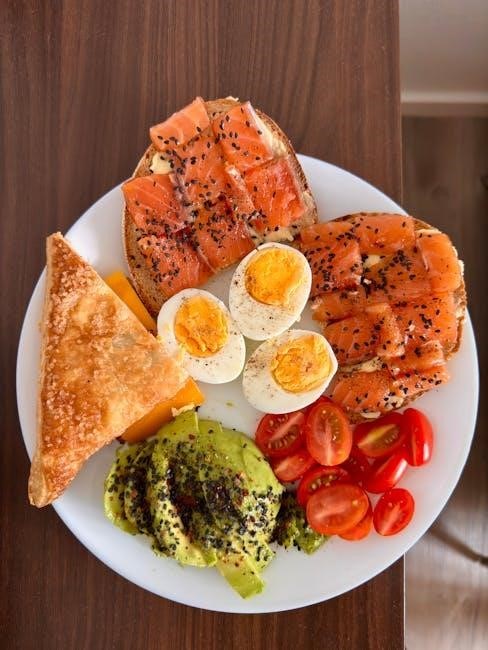
A thorough anti-inflammatory food list PDF will emphasize the crucial role of healthy fats. Unlike processed fats, certain fats actively combat inflammation within the body. Omega-3 fatty acids, found abundantly in fatty fish, flaxseeds, and chia seeds, are particularly noteworthy. These fats are converted into resolvins and protectins, molecules that help resolve inflammation.
Olive oil, a cornerstone of the Mediterranean diet, is another key component. Extra virgin olive oil contains oleocanthal, a compound with similar anti-inflammatory effects to ibuprofen. When consulting an anti-inflammatory food list PDF, prioritize these sources over saturated and trans fats.
Including adequate healthy fats isn’t just about avoiding inflammation; it’s about supporting overall health. They are vital for brain function, hormone production, and nutrient absorption. A well-structured diet, guided by a reliable PDF, ensures you’re getting the right types of fats for optimal well-being.
Omega-3 Fatty Acids: From Fish and Beyond
Any comprehensive anti-inflammatory food list PDF will prominently feature omega-3 fatty acids. These essential fats are pivotal in reducing inflammation, a key factor in many chronic diseases. Fatty fish – salmon, mackerel, and sardines – are excellent sources, providing both EPA and DHA, the most beneficial types of omega-3s.
However, fish aren’t the only option. For those following plant-based diets, flaxseeds, chia seeds, and walnuts offer ALA, a precursor to EPA and DHA. While conversion rates can vary, incorporating these into your diet is valuable. A good anti-inflammatory food list PDF will detail these plant-based alternatives.
Omega-3s work by influencing the production of eicosanoids and resolvins, molecules that help regulate inflammation. Regularly consuming omega-3 rich foods, as outlined in your PDF, can significantly contribute to a healthier inflammatory response and overall wellness.
Olive Oil: The Mediterranean Staple
A cornerstone of the Mediterranean diet, and therefore a vital inclusion in any effective anti-inflammatory food list PDF, is olive oil – specifically, extra virgin olive oil. Its potent anti-inflammatory properties stem from oleocanthal, a natural compound with effects similar to ibuprofen.
Unlike many processed oils, extra virgin olive oil retains its natural antioxidants and polyphenols during production, maximizing its health benefits. These compounds combat oxidative stress, a major driver of inflammation. When reviewing your anti-inflammatory food list PDF, prioritize extra virgin olive oil for cooking, salad dressings, and even drizzling over finished dishes.
Choosing high-quality olive oil is crucial; look for cold-pressed varieties in dark glass bottles to protect against light and oxidation. Incorporating olive oil consistently supports a balanced inflammatory response and contributes to long-term health, aligning with the principles of an anti-inflammatory lifestyle.
Proteins: Building Blocks with Anti-Inflammatory Potential
When constructing your anti-inflammatory food list PDF, protein sources deserve careful consideration. While all proteins are essential, certain types actively combat inflammation. Fatty fish like salmon, mackerel, and sardines stand out, rich in omega-3 fatty acids – powerful inflammation fighters.
These fish should be prominently featured on any comprehensive anti-inflammatory food list PDF. Lean poultry, such as chicken or turkey, offers a moderate option, providing protein without the inflammatory potential of processed meats. However, it’s crucial to prioritize quality; opt for organic, pasture-raised options whenever possible.
Plant-based proteins like beans and lentils also contribute, though their anti-inflammatory effects are less direct than those of omega-3 rich fish. A well-rounded approach, reflected in a detailed anti-inflammatory food list PDF, balances these sources for optimal health benefits.
Fatty Fish: Salmon, Mackerel, and Sardines
Any effective anti-inflammatory food list PDF must prominently feature fatty fish – salmon, mackerel, and sardines are nutritional powerhouses. Their exceptional levels of omega-3 fatty acids, specifically EPA and DHA, are directly linked to reduced inflammation throughout the body.
These fats work by influencing the production of eicosanoids, signaling molecules that play a key role in the inflammatory process. Regularly including these fish in your diet, as highlighted in a comprehensive anti-inflammatory food list PDF, can help manage chronic inflammation and lower the risk of related diseases.
Sardines, often overlooked, are particularly beneficial due to their small size and lower mercury content. When creating your anti-inflammatory food list PDF, consider recommending at least two servings per week to maximize these potent benefits. Prioritize wild-caught varieties whenever feasible.
Lean Poultry: A Moderate Option
When compiling an anti-inflammatory food list PDF, lean poultry – such as chicken and turkey – can be included as a moderate protein source, though it doesn’t offer the same potent anti-inflammatory benefits as fatty fish. While not as rich in omega-3s, poultry provides essential amino acids crucial for tissue repair and overall health.
It’s important to emphasize “lean” within your anti-inflammatory food list PDF, as skin and higher fat content can contribute to inflammation. Opting for skinless breasts is the preferred choice. Poultry offers a versatile protein option for those seeking alternatives to red meat or processed meats, both known inflammatory triggers.
A well-rounded anti-inflammatory food list PDF should position lean poultry as a supporting element, complementing the core anti-inflammatory foods like fatty fish, fruits, and vegetables, rather than a primary focus.

Foods to Limit or Avoid
Anti-inflammatory food list PDFs commonly advise limiting sugar, processed foods, dairy, and gluten, as these can trigger or worsen inflammation within the body.
TikTok trends highlight restrictive rules, but moderation is key for a sustainable, balanced approach to reducing inflammation.
Sugar: A Major Inflammatory Trigger
Anti-inflammatory food list PDFs consistently emphasize the critical need to minimize sugar intake, recognizing it as a significant contributor to systemic inflammation. This isn’t limited to refined sugars found in sweets and processed treats; it extends to hidden sugars present in many seemingly healthy foods.
Excessive sugar consumption triggers the release of inflammatory messengers called cytokines, initiating and exacerbating inflammatory responses throughout the body. This can worsen symptoms of existing inflammatory conditions and increase the risk of developing chronic diseases like heart disease, type 2 diabetes, and certain cancers.
Many anti-inflammatory diet resources advocate for replacing added sugars with natural sweeteners in moderation, such as small amounts of fruit. However, even fruit should be consumed mindfully due to its fructose content. Prioritizing whole, unprocessed foods is paramount. Reducing sugary drinks, desserts, and processed snacks is a crucial step towards lowering inflammation and improving overall health, as highlighted in numerous dietary guides and PDFs.
Processed Foods: Hidden Inflammation Sources
Anti-inflammatory food list PDFs universally caution against the consumption of processed foods, identifying them as insidious sources of inflammation. These foods, often laden with unhealthy fats, refined carbohydrates, and artificial additives, actively promote inflammatory pathways within the body.
The processing itself often strips away beneficial nutrients while introducing harmful compounds. Common culprits include pre-packaged snacks, fast food, processed meats, and many commercially baked goods. These items frequently contain advanced glycation end products (AGEs), formed during high-heat processing, which directly contribute to inflammation.
Furthermore, processed foods often contain hidden sugars and unhealthy fats, compounding their inflammatory effects. A core tenet of an anti-inflammatory diet, as detailed in downloadable PDF guides, is to prioritize whole, unprocessed foods. Focusing on fresh fruits, vegetables, lean proteins, and healthy fats is essential for minimizing inflammation and supporting overall well-being. Reducing reliance on convenience foods is a vital step.
Dairy: Potential Inflammatory Effects
Anti-inflammatory food list PDFs often address dairy as a potentially problematic food group, acknowledging its varying effects on individuals. While not universally inflammatory, dairy can trigger adverse reactions in those with sensitivities or intolerances, leading to increased inflammation.
The proteins casein and whey, found in dairy, are identified as potential culprits. Some individuals experience digestive discomfort and inflammation in response to these proteins. Furthermore, the saturated fat content in certain dairy products can also contribute to inflammatory processes.
However, the impact of dairy is nuanced. Fermented dairy products like yogurt and kefir, containing probiotics, may offer anti-inflammatory benefits for some. Many anti-inflammatory diet resources, including downloadable PDF guides, recommend an elimination diet to assess individual tolerance. Removing dairy for a period and then reintroducing it can help determine if it’s a personal inflammatory trigger. Careful observation of bodily responses is key.
Gluten: Sensitivity and Inflammation
Anti-inflammatory food list PDFs frequently highlight gluten as a food to limit or avoid, particularly for individuals with sensitivities. Gluten, a protein found in wheat, barley, and rye, is well-known for triggering inflammation in those with celiac disease. However, non-celiac gluten sensitivity (NCGS) is increasingly recognized as a source of inflammation for a broader population.
For those with NCGS, gluten consumption can lead to symptoms like bloating, fatigue, and joint pain, all indicative of an inflammatory response. The gut microbiome plays a crucial role; gluten can disrupt gut health, contributing to systemic inflammation. Many anti-inflammatory diet plans, detailed in downloadable PDF guides, advocate for a gluten-free approach.
It’s important to note that simply removing gluten doesn’t automatically guarantee an anti-inflammatory effect. Replacing gluten-containing foods with processed gluten-free alternatives can be counterproductive. Focusing on naturally gluten-free whole foods is essential for maximizing the benefits.
Creating Your Anti-Inflammatory Meal Plan
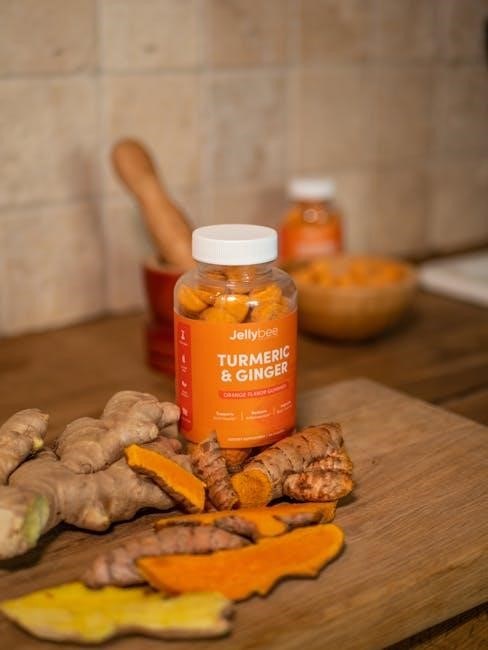
Utilizing an anti-inflammatory food list PDF simplifies meal planning, focusing on fruits, vegetables, and healthy fats. Sample meals offer guidance, while snacks help maintain consistent inflammation control.

Sample Meal Ideas for Breakfast, Lunch, and Dinner
Leveraging your anti-inflammatory food list PDF, crafting delicious and beneficial meals becomes straightforward. For breakfast, consider a smoothie blending berries (powerful antioxidants!), leafy greens, and a touch of healthy fat like flaxseed. Alternatively, opt for oatmeal with cherries and a sprinkle of walnuts.
Lunch could feature a vibrant salad packed with cruciferous vegetables – broccoli, cauliflower, and kale – tossed with olive oil and grilled salmon. A lentil soup, rich in nutrients, also makes an excellent choice. Remember to prioritize lean proteins and colorful produce.
Dinner might include baked mackerel with roasted sweet potatoes and steamed asparagus. Another option is a stir-fry with lean poultry, plenty of vegetables, and a light sauce made with olive oil and turmeric. Focus on incorporating omega-3 fatty acids and minimizing processed ingredients. These meal ideas, guided by your PDF, demonstrate how easy and enjoyable anti-inflammatory eating can be!
Snack Options to Keep Inflammation at Bay
Utilizing your anti-inflammatory food list PDF, snacking can actively contribute to reducing inflammation throughout the day. Forget sugary treats and processed foods! Instead, reach for a handful of berries – blueberries, strawberries, or raspberries – for a quick antioxidant boost.
A small portion of almonds or walnuts provides healthy fats and protein, keeping you satisfied. Sliced bell peppers with hummus offer a crunchy and nutritious option. Consider a small serving of Greek yogurt (if dairy is tolerated) with a drizzle of honey and a sprinkle of cinnamon.
Cherry juice, known for its specific benefits for muscle recovery, can be a refreshing choice. Remember to prioritize whole, unprocessed foods. These snacks, guided by your PDF, are simple, convenient, and powerfully support your anti-inflammatory goals, helping you stay on track between meals!
Accessing Your Anti-Inflammatory Food List PDF
Fortunately, numerous sources offer FREE anti-inflammatory food list PDFs, like those from Jackie Silver Nutrition and Eat Beautiful, simplifying your dietary journey.
Download and utilize these resources!

Where to Download a Free PDF
Finding a comprehensive anti-inflammatory food list PDF is surprisingly easy, with several reputable sources offering free downloads to help you kickstart your health journey. Jackie Silver Nutrition provides a valuable resource, aiming to educate rather than restrict, offering a PDF to guide your food choices.
Eat Beautiful also offers a free printable PDF specifically designed to help individuals overcome inflammation through dietary adjustments. These PDFs serve as excellent references, outlining which foods actively combat inflammation within the body.
A quick online search will reveal additional options, but prioritizing credible sources is key. Look for PDFs from registered dietitians or nutritionists to ensure the information is accurate and evidence-based. Remember to check the publication date, as nutritional science evolves, and newer PDFs may reflect the latest research. Utilizing these readily available resources empowers you to make informed decisions about your diet and proactively manage inflammation;
How to Use the PDF Effectively
Once you’ve downloaded your anti-inflammatory food list PDF, maximize its usefulness by integrating it into your daily routine. Don’t view it as a rigid set of rules, but rather as a guide to inform your choices. Start by familiarizing yourself with the “yes” foods – the fruits, vegetables, healthy fats, and lean proteins that actively combat inflammation.
Next, identify the “limit” or “avoid” categories, understanding that moderation is often key. Use the PDF while meal planning and grocery shopping, actively selecting anti-inflammatory options; Refer to it when dining out, making conscious decisions to prioritize beneficial foods.
Consider printing a copy for your kitchen as a constant reminder. Remember, consistency is crucial; small, sustainable changes are more effective than drastic overhauls. The PDF is a tool to empower you, fostering a long-term commitment to an anti-inflammatory lifestyle and improved well-being.