

Greenworks 2000 PSI Pressure Washer Manual: Article Plan
This comprehensive guide details the Greenworks GPW2000-1, offering insights into its operation, safety, maintenance, and troubleshooting—downloadable as a PDF.
Explore user manuals, quick start guides, and specifications for optimal performance of your 2000 PSI pressure washer.
The Greenworks 2000 PSI Pressure Washer, specifically the GPW2000-1 model, represents a powerful and versatile cleaning solution for homeowners. This electric pressure washer delivers 2000 PSI of cleaning power at a flow rate of 1.2 GPM, making it suitable for a wide range of tasks, from washing cars and siding to cleaning decks and patios.
Understanding the operation and maintenance of your Greenworks pressure washer is crucial for maximizing its lifespan and ensuring optimal performance. This manual serves as a comprehensive resource, providing detailed instructions on setup, operation, safety precautions, and troubleshooting. Access to the official operator’s manual, available in PDF format, is essential for all users.
Greenworks Tools has quickly become a recognized name in outdoor power equipment, offering a range of battery-powered and electric alternatives to traditional gas-powered tools.
Understanding the GPW2000-1 Model

The Greenworks GPW2000-1 is a 13 Amp electric pressure washer designed for efficient and effective cleaning around the home. It boasts a 2000 PSI pressure rating and a 1.2 GPM flow rate, striking a balance between power and water conservation. This model is known for its user-friendly design and ease of operation, making it accessible to both novice and experienced users.
Key features include a variety of quick-connect nozzles, allowing for adjustable spray patterns to tackle different cleaning tasks. The unit’s compact size and integrated handle facilitate easy portability and storage. Referencing the official operator’s manual (available as a downloadable PDF) is vital for understanding all the GPW2000-1’s capabilities and ensuring safe operation.
Greenworks prioritizes providing accessible documentation for its products, ensuring users have the resources needed for successful use.
Safety Precautions and Warnings
Prior to operating the Greenworks 2000 PSI pressure washer, carefully review all safety precautions outlined in the operator’s manual. High-pressure water can be dangerous; always wear safety glasses or goggles to protect your eyes from debris. Avoid directing the spray at people, animals, or electrical connections.
Never attempt to modify the pressure washer in any way, as this could compromise its safety features. Ensure a stable and level surface for operation, and always disconnect the power supply before performing any maintenance or changing nozzles. Be mindful of the recoil force from the wand and maintain a firm grip.
The manual emphasizes responsible use and adherence to all warnings to prevent injury and ensure safe operation of the GPW2000-1.
Component Identification
The Greenworks 2000 PSI pressure washer (GPW2000-1) consists of several key components. These include the high-pressure hose, connecting the pump to the spray wand, and various quick-connect nozzles for different cleaning applications.
The unit features a 13-amp motor powering the pump, which generates the 2000 PSI pressure. A detergent tank allows for soap application during cleaning, while the trigger gun controls water flow. Familiarize yourself with the location of the on/off switch and the pressure adjustment knob.
Refer to the manual’s parts diagram for a detailed visual guide to each component, aiding in assembly, maintenance, and troubleshooting.
Nozzle Selection and Usage

The Greenworks 2000 PSI pressure washer comes equipped with multiple nozzles, each designed for specific cleaning tasks. A 25-degree nozzle, often called the “washing tip,” is ideal for general cleaning, providing adequate pressure without causing damage to surfaces.
Other nozzles may include a 0-degree nozzle for concentrated, high-pressure cleaning of stubborn stains, and a 40-degree nozzle for more delicate surfaces. Always test the nozzle on an inconspicuous area first.
Proper nozzle selection is crucial for effective and safe cleaning. Refer to the user manual for detailed guidance on which nozzle to use for different applications, preventing potential damage.
Hose and Wand Assembly
Correct assembly of the high-pressure hose and wand is essential for safe operation of the Greenworks 2000 PSI pressure washer. Begin by firmly connecting one end of the hose to the pressure washer pump outlet, ensuring a secure, leak-proof fit.
Next, attach the wand to the other end of the hose, again verifying a tight connection. The wand typically features a quick-connect mechanism for easy nozzle attachment.
Before each use, inspect the hose for any signs of damage, such as cracks or abrasions. A damaged hose can burst under pressure, posing a safety hazard. Always refer to the manual for specific assembly diagrams and instructions.
Setting Up the Pressure Washer
Proper setup is crucial before operating your Greenworks 2000 PSI pressure washer. First, ensure the unit is placed on a stable, level surface. Before connecting to a water source, verify the water supply is turned off.
Attach the water inlet adapter to your garden hose and then connect it to the pressure washer’s water inlet. Open the water supply fully once connected. Next, locate a grounded electrical outlet that meets the pressure washer’s power requirements – typically 120V, 13 Amp.
Always use a properly grounded extension cord if needed, and avoid using one that is too long or too thin. Double-check all connections before proceeding.
Water Source Connection
Connecting to a reliable water source is the first step in setting up your Greenworks 2000 PSI pressure washer. Ensure your water supply delivers at least 20 PSI, and a maximum of 100 PSI, for optimal performance. Attach the water inlet adapter securely to a standard garden hose.
Before connecting the hose to the pressure washer, fully open the water valve. This helps purge any air from the line. Then, firmly connect the hose to the unit’s water inlet fitting. Check for leaks at the connection point.

Never draw water from a source contaminated with chemicals or oil. A clean water supply protects the pump and extends the life of your pressure washer.
Electrical Connection Requirements
The Greenworks 2000 PSI pressure washer requires a standard 120V, 60Hz electrical outlet. Ensure the outlet is properly grounded to prevent electrical shock; Do not use extension cords unless absolutely necessary; if used, it must be a 12-gauge cord rated for outdoor use.
Avoid using multiple extension cords or a cord that is too long. Excessive cord length can cause voltage drop, reducing the washer’s performance and potentially damaging the motor. The amperage draw is 13 amps, so the circuit must be capable of handling this load.
Never operate the pressure washer with a damaged power cord. Inspect the cord before each use and replace it if any damage is detected.
Operating Instructions
Before starting, ensure all connections are secure – water supply and electrical. Fully open the water supply valve. Turn the power switch to the “ON” position. The pressure washer will begin to build pressure; this may take a few moments.
Once pressure is built, squeeze the trigger on the spray gun to begin cleaning. Release the trigger to stop the water flow. Always point the spray gun away from yourself and others. Begin with a wider nozzle angle for initial cleaning, then switch to a narrower angle for stubborn dirt.
To shut down, release the trigger, turn off the power switch, and disconnect the water supply.
Starting and Stopping the Pressure Washer
To start the Greenworks 2000 PSI pressure washer, first, confirm the water supply is fully connected and turned on. Ensure the power cord is plugged into a grounded outlet. Turn the power switch to the “ON” position; the unit will initiate a pressure build-up phase, which is normal.
Do not pull the trigger until pressure is established. Once pressurized, squeeze the trigger to begin cleaning. To stop, release the trigger. Then, turn the power switch to “OFF” and disconnect the power cord.
Always shut off the water supply after each use. Never leave the pressure washer unattended while running.
Adjusting Pressure Settings
The Greenworks 2000 PSI pressure washer offers adjustable pressure via interchangeable nozzles. Each nozzle delivers a different spray pattern and pressure level, suited for various cleaning tasks.
A 25-degree nozzle is ideal for general washing, providing adequate pressure without causing damage; Wider angles, like 40-degrees, are gentler for delicate surfaces. For tougher grime, utilize a narrower angle nozzle, but exercise caution to avoid surface harm.
Experiment with different nozzles on an inconspicuous area first. Proper nozzle selection ensures effective cleaning while protecting the material being washed. Always ensure the nozzle is securely locked into the wand before operation.
Detergent Use and Mixing
The Greenworks 2000 PSI pressure washer is designed for use with detergents to enhance cleaning power. However, only use detergents specifically formulated for pressure washers to prevent damage to the unit.
Refer to your pressure washer’s manual for the correct detergent-to-water ratio. Typically, a low-pressure soap applicator is used for detergent application. Fill the detergent tank with the appropriate mixture, ensuring it doesn’t exceed the maximum fill line.
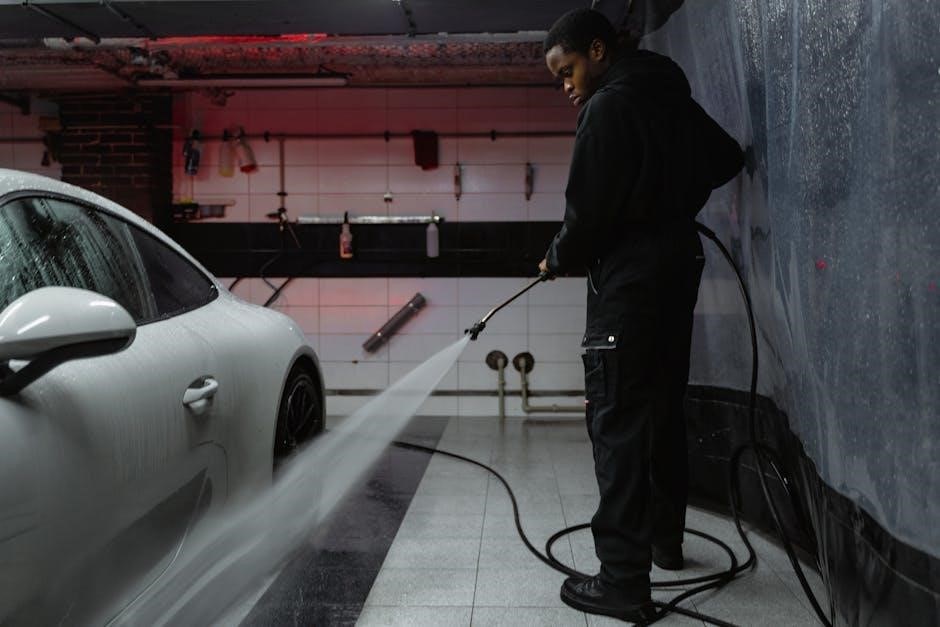
Avoid using abrasive or flammable detergents. Always rinse the area thoroughly after detergent application to remove any residue. Incorrect detergent use can void the warranty.
Maintenance and Storage
Regular maintenance ensures the longevity of your Greenworks 2000 PSI pressure washer. After each use, disconnect the water supply and power cord. Rinse the exterior of the unit with a clean cloth to remove dirt and debris.

Inspect the high-pressure hose and wand for any signs of damage. Store the pressure washer in a clean, dry location, protected from freezing temperatures. For extended storage, particularly during winter, winterizing is crucial.
This involves draining all water from the pump and hose to prevent freezing and potential damage. Consult the manual for detailed winterizing instructions; Proper storage safeguards your investment.
Cleaning the Pressure Washer
Maintaining a clean pressure washer is vital for optimal performance and longevity. After each use, disconnect both the water supply and the electrical power before commencing any cleaning procedures.
Wipe down the exterior housing with a damp cloth to remove dirt, grime, and detergent residue. Avoid using harsh chemicals or abrasive cleaners, as these can damage the plastic components.
Pay particular attention to cleaning the nozzles, ensuring they are free from blockages. Inspect the high-pressure hose for any kinks or damage. Store the unit in a dry, sheltered area to prevent corrosion and maintain its condition.
Winterizing the Unit
Proper winterization prevents freeze damage to your Greenworks 2000 PSI pressure washer. Before prolonged storage in freezing temperatures, completely drain all water from the pump, hose, and wand.
Disconnect the water inlet hose and allow any remaining water to drain. Use a pump saver kit, or alternatively, run a small amount of pump protector antifreeze through the pump following the kit’s instructions.
Store the unit indoors in a dry location, protected from the elements. Ensure the hose is also drained and stored without kinks. This preventative maintenance will ensure your pressure washer is ready for use when warmer weather returns.
Troubleshooting Common Issues
If your Greenworks 2000 PSI pressure washer fails to start, first check the power source and ensure the outlet is functioning. Verify the safety lock is engaged and the trigger is not depressed.
For low pressure output, inspect the nozzle for clogs and clean if necessary. Examine the high-pressure hose for kinks or damage, and ensure the water supply is fully open.
Confirm the detergent siphon hose isn’t blocked if using detergent. If issues persist, consult the full operator’s manual for detailed troubleshooting steps and diagrams, or contact Greenworks customer support.

Pressure Washer Not Starting
If the Greenworks 2000 PSI pressure washer doesn’t power on, begin by verifying the electrical connection. Ensure the outlet is working correctly by testing with another device.
Confirm the safety lock button is fully engaged; the trigger must not be depressed during startup. Check the power cord for any visible damage, such as cuts or exposed wires.

Inspect the motor brush for wear if the unit still fails to start. Refer to the parts list in the manual for replacement instructions. If problems continue, consult the complete operator’s manual or contact Greenworks support for assistance.
Low Pressure Output

Reduced pressure from your Greenworks 2000 PSI pressure washer often stems from nozzle issues. Verify the correct nozzle is selected for the task and that it isn’t clogged with debris; clean or replace as needed.
Inspect the high-pressure hose for kinks, bends, or damage that could restrict water flow. Ensure the water supply provides adequate volume and pressure—a restricted inlet will lower output.
Check for airlocks within the pump; disconnecting the high-pressure hose and briefly running the unit can sometimes resolve this. Refer to the manual’s troubleshooting section for detailed guidance and further diagnostic steps.
Parts List and Diagrams
Accessing a detailed parts list and accompanying diagrams is crucial for maintaining and repairing your Greenworks 2000 PSI pressure washer. These resources, typically found within the official operator’s manual, illustrate each component’s location and identification.
The parts list provides model-specific part numbers, facilitating accurate ordering of replacements when needed. Diagrams visually represent the assembly, aiding in understanding how components interact.
Locate these resources online via Greenworks’ official website or through authorized retailers. Proper use of these diagrams ensures correct reassembly after maintenance or repairs, preserving the unit’s functionality.
Greenworks Tools: Company Background
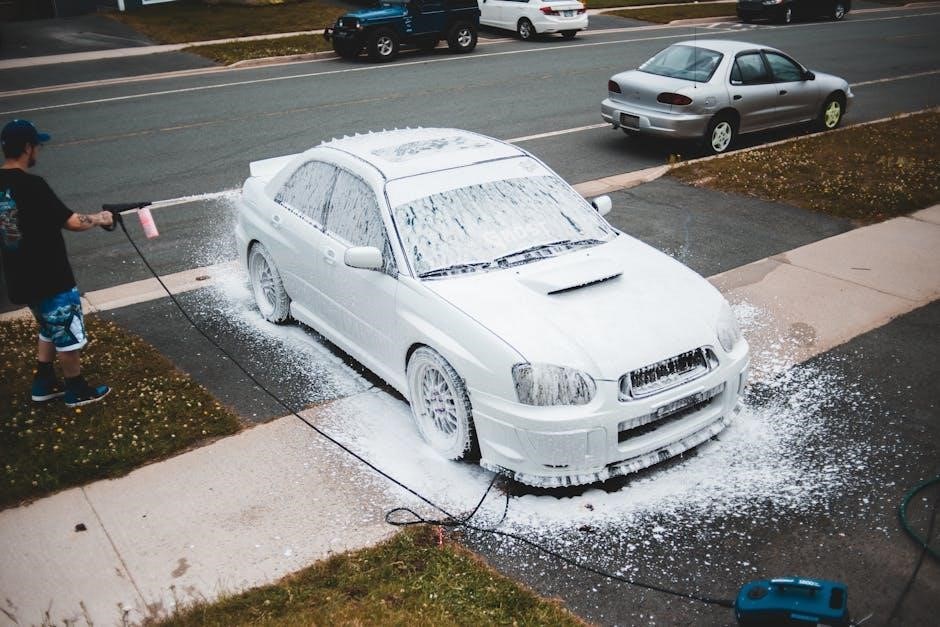
Greenworks Tools has emerged as a significant player in the outdoor power equipment market, offering a range of battery-powered and corded electric alternatives to traditional gas-powered tools. Initially gaining traction in Europe, the brand has expanded its presence globally, including a strong foothold in North America.
Discussions within online forums reveal a shift in retail strategies, with some stores replacing brands like Kress with Greenworks, indicating growing market confidence. The company focuses on innovation and sustainability, providing eco-friendly solutions for lawn care and cleaning.
Greenworks’ commitment to battery technology allows for versatile, cordless operation across multiple tools, appealing to environmentally conscious consumers.